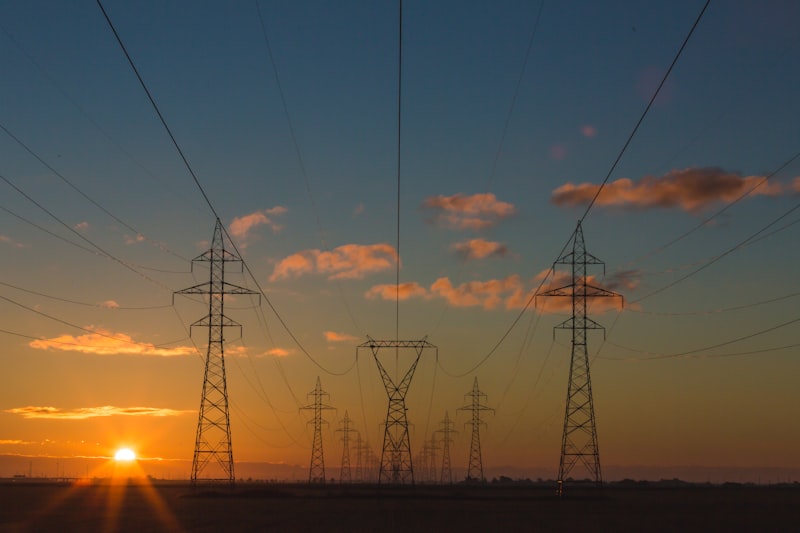
Power Grid Reality Check
The average American experiences 8+ hours of power outages annuallyand that number is rising. Major events cause outages lasting 1-4 weeks. The 2021 Texas freeze left 4.5 million homes without power for days, with some areas dark for over two weeks. The 2024 derecho affected millions across the Midwest. Your home's electricity is not guaranteed.
Power outage survival kit checklist
| Supply | 3-day outage (per person) | 2-week outage (per person) | Why |
|---|---|---|---|
| Water | 3 gallons | 14 gallons | Drinking and basic hygiene; 1 gallon a day |
| Food | 3 days, no cooking needed | 2 weeks, shelf stable | The fridge is safe only about 4 hours closed |
| Light | 1 flashlight or headlamp + spare batteries | Add a lantern per room in use | Avoids the fire risk of candles |
| Information | 1 NOAA weather radio per household | Same, with spare batteries or a crank | Updates when cell and internet fail |
| Phone power | 1 power bank (10,000 mAh) | Power station or solar charger | Calls, alerts and medical apps |
| Medicine | 7-day supply | 2-week supply, plus a cooler plan for insulin | Pharmacies may be closed |
| Heat or cooling | Blankets, layers or cooling towels | Plan a warming or cooling center | Hypothermia and heat illness |
| Safety | Battery CO alarm, fire extinguisher | Same | Generators and fuel heaters produce CO |
Size a power station for your real loads with the power station runtime calculator or a generator with the generator runtime calculator.
Understanding Power Outages
Power outages range from momentary flickers to weeks-long catastrophes. Understanding the types helps you prepare appropriately:
- Momentary (seconds to minutes): Usually self-correcting. A UPS protects electronics.
- Temporary (minutes to hours): Local issues, quickly repaired. Food stays safe if refrigerator stays closed.
- Sustained (hours to days): Larger outages from storms. Requires food safety planning and backup lighting.
- Extended (days to weeks): Major disasters or grid failures. Requires backup power, alternative cooking, and comprehensive planning.
Common Causes
- Severe weather: Hurricanes, ice storms, derechos, tornadoes
- Grid overload: Extreme heat or cold driving peak demand
- Equipment failure: Aging infrastructure, transformer failures
- Wildfires: Preventive shutoffs (PSPS) and fire damage
- Cyberattacks: Increasing threat to power infrastructure
Immediate Priorities When Power Goes Out
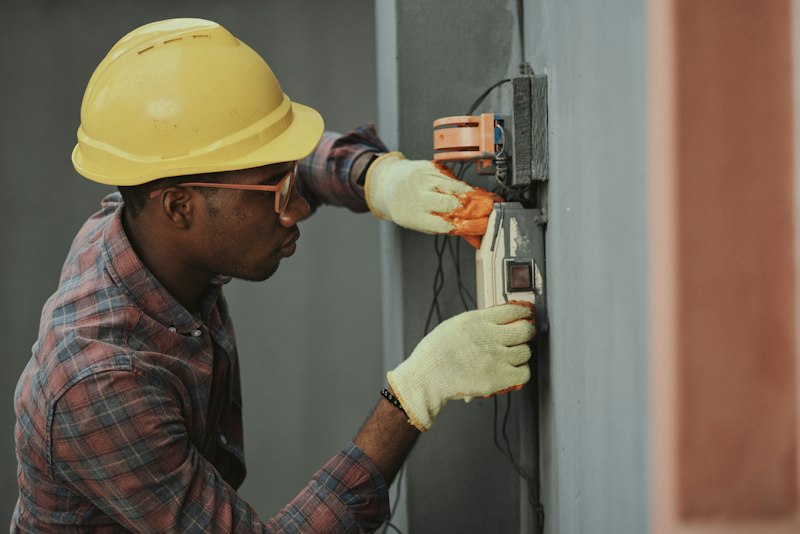
First 5 Minutes
- Check if outage is local (your house) or widespread (neighborhood)
- Unplug sensitive electronics to protect from surge when power returns
- Leave one light on so you know when power returns
- Check on neighbors, especially elderly or those with medical needs
- Avoid opening refrigerator and freezer
First Hour
- Report outage to utility company (or verify they're aware)
- Check utility website/app for estimated restoration time
- Locate flashlights, lanterns, and backup power
- If extended outage expected, start generator (outdoors only)
- Charge phones and essential devices while you still have battery backup power
4+ Hours
- Food safety becomes critical, monitor refrigerator temperature
- Move essential refrigerator items to cooler with ice
- Conserve phone battery, reduce brightness, close apps, use airplane mode between check-ins
- Implement heating or cooling strategies as needed
- Prepare for potential overnight without power
Food Safety During Power Outages
Food spoilage is one of the most immediate concerns during outages. Follow these guidelines to prevent foodborne illness:
Temperature Timelines
| Appliance | Safe Duration | Key Notes |
|---|---|---|
| Refrigerator | 4 hours | If door stays closed |
| Freezer (full) | 48 hours | Frozen food mass maintains temp |
| Freezer (half-full) | 24 hours | Less thermal mass |
| Cooler with ice | Varies | Refill ice as needed |
Food Safety Rules
- When in doubt, throw it out: Food poisoning isn't worth the risk
- Use a thermometer: Discard anything above 40°F for 2+ hours
- Smell test is not reliable: Dangerous bacteria don't always smell
- Frozen food with ice crystals: Still safe to refreeze
- Fully thawed food: Cook immediately or discard
Foods That Last vs. Must Go
Safe without refrigeration: Peanut butter, jelly, mustard, ketchup, relish, butter (short-term), hard cheeses, fresh fruits and vegetables, bread
Discard if above 40°F for 2+ hours: Meat, poultry, fish, eggs, milk, soft cheeses, cooked foods, cut fruits, opened baby formula
Backup Power Options

Portable Generators (Gas/Dual-Fuel)
The most common backup power solution for extended outages. Runs essential circuits or appliances.
- Pros: High power output, long runtime with fuel, relatively affordable
- Cons: Requires fuel storage, noisy, carbon monoxide hazard, maintenance needed
- Best for: Extended outages, high-power needs (refrigerator, sump pump, AC)
Sizing: 3,000-4,000W for basics; 5,000-7,500W with sump pump; 7,500-10,000W for AC
Calculate Generator Size →Portable Power Stations (Battery)
Battery-powered units that can run electronics and small appliances. Safe for indoor use.
- Pros: Silent, no fumes, indoor-safe, solar rechargeable, maintenance-free
- Cons: Limited capacity, expensive per watt-hour, slow recharge
- Best for: Short outages, apartments, phones, laptops, CPAP, lights, fans
Sizing: 300-500Wh for phones/lights; 1,000-2,000Wh for CPAP/laptop; 2,000Wh+ for mini-fridge
Calculate Runtime →Standby Generators (Whole-House)
Permanently installed generators that start automatically when power fails.
- Pros: Automatic operation, whole-house power, runs on natural gas or propane
- Cons: High cost ($5,000-15,000+ installed), requires professional installation
- Best for: Frequent outages, medical needs, home businesses, peace of mind
Solar + Battery Systems
Solar panels with battery storage for renewable backup power.
- Pros: No fuel needed, quiet, environmentally friendly, can power during day indefinitely
- Cons: High upfront cost, weather-dependent, limited storage capacity
- Best for: Long-term investment, sunny climates, eco-conscious households
Generator Safety Warning
Carbon monoxide from generators kills hundreds of people annually, more than hurricanes, tornadoes, and floods combined. NEVER run a generator indoors, in a garage (even with door open), or near windows. Place at least 20 feet from the house. Install battery-powered CO detectors on every floor.
Staying Warm During Winter Outages
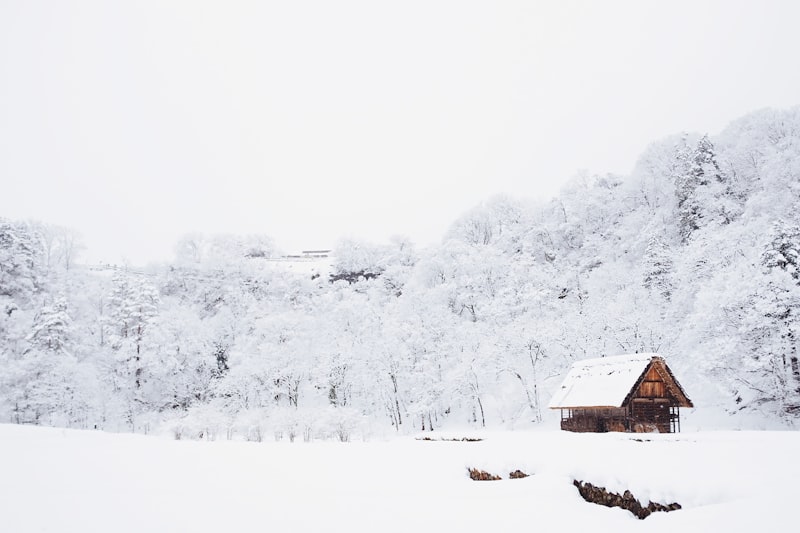
Winter power outages can be life-threatening. Hypothermia can set in when indoor temperatures drop below 50°F, especially for elderly and young children.
Immediate Strategies
- Consolidate to one room: Close off unused rooms to retain heat
- Seal drafts: Stuff towels under doors, close window curtains
- Layer clothing: Multiple loose layers trap heat; include hat and socks
- Use sleeping bags: Rated for camping temperatures, they're warmer than blankets
- Share body heat: Gather family and pets in one space
- Stay active: Light exercise generates body heat
Safe Heating Options
- Kerosene heaters: Indoor-rated models only, with ventilation
- Propane heaters: Indoor-safe models with oxygen depletion sensor
- Wood stove/fireplace: If properly installed and maintained
- Hot water bottles: Fill and place in bed or inside clothing
What NEVER to Use Indoors
- Outdoor propane heaters or camp stoves
- Charcoal or gas grills
- Generators
- Car running in garage (even with door open)
- Gas oven or stovetop for heating
Staying Cool During Summer Outages
Heat emergencies kill more Americans than any other weather-related cause. Without AC, indoor temperatures can exceed outdoor temperatures, creating dangerous conditions.
Cooling Strategies
- Stay on lowest floor: Heat rises; basements stay coolest
- Battery-powered fans: Moving air increases evaporative cooling
- Wet towels: Drape wet towels on neck, wrists, or hang for evaporative cooling
- Cold water: Drink frequently before feeling thirsty
- Limit activity: Avoid exertion during hottest hours
- Cool baths: Lukewarm water (not cold, can cause shock)
Know When to Leave
If indoor temperatures become dangerous and you can't cool down:
- Go to a cooling center (check local emergency management)
- Visit air-conditioned public spaces (malls, libraries)
- Stay with friends or family who have power
- Check into a hotel if extended outage expected
Medical Considerations
If anyone in your household relies on powered medical equipment, power outages require extra planning:
Equipment Requiring Backup Power
- CPAP and BiPAP machines
- Oxygen concentrators
- Ventilators
- Powered wheelchairs and scooters
- Infusion pumps
- Medication refrigeration (insulin, etc.)
Preparation Steps
- Register with utility: Medical baseline programs provide priority restoration and advance warning of planned outages
- Get backup batteries: Many CPAP machines have battery packs available
- Know alternatives: Identify facilities with backup power you can go to
- Keep documentation: Letter from doctor explaining equipment needs helps at shelters
- Have manual backups: Manual wheelchair, oxygen tanks, ice for insulin
Essential Power Outage Supplies
Lighting
- LED flashlights (multiple, with extra batteries)
- Headlamps (hands-free lighting)
- Battery-powered lanterns
- Glow sticks (safe for children)
- Candles only as last resort (fire hazard)
Communication
- Battery-powered or hand-crank NOAA radio
- Phone chargers and power banks (20,000mAh+)
- Car charger (your car is a mobile charging station)
- Written list of emergency contacts
Food & Water
- Cooler and ice packs
- Manual can opener
- Non-perishable food requiring no cooking
- Paper plates and disposable utensils
- Stored water (if pumps require power)
Financial
- Cash in small bills (ATMs and card readers won't work)
- Full tank of gas in vehicles (pumps need electricity)
Sources
- Ready.gov (FEMA), Power Outages and Build a Kit (1 gallon of water per person per day).
- USDA Food Safety and Inspection Service, keeping food safe during an emergency (4 hours refrigerated, 48 hours full freezer, 24 hours half-full).
- CDC, carbon monoxide poisoning prevention (generators outdoors, at least 20 feet from windows and doors).
- National Weather Service, heat safety and weather-related fatality statistics.
Frequently Asked Questions
Store 1 gallon of water per person per day for at least 3 days (2 weeks is better), shelf-stable food, a flashlight or headlamp per person, a NOAA weather radio, power banks or a power station, a 7 to 14 day supply of medicine, cash and a battery CO alarm. Plan how you will stay warm or cool, and if you own a generator, practice running it outdoors 20 feet from the house.
Water, no-cook food, flashlights or headlamps with spare batteries, a battery or hand-crank radio, phone power banks, a first aid kit, medicines, a manual can opener, cash, blankets or cooling towels, a cooler for ice, and a battery-powered carbon monoxide alarm. Keep it together in one bin so you can find it in the dark.
A closed refrigerator keeps food safe for about 4 hours. A full freezer maintains temperature for 48 hours (24 hours if half-full). Keep doors closed as much as possible. Use a food thermometer and discard anything that reaches above 40°F.
For basic essentials (refrigerator, lights, phone charging), a 3,000-4,000W generator works. Add a sump pump or freezer and you need 5,000-7,500W. For window AC or well pump, get 7,500-10,000W. Central AC requires 10,000W+ or a standby generator.
Never. Generators must run outdoors only, at least 20 feet from windows, doors, and vents. Carbon monoxide from generators kills hundreds of people annually. Even with the garage door open, CO can reach lethal levels within minutes. Always use outdoors.
Gather family in one room, close off unused rooms, and use extra blankets and sleeping bags. Layer clothing including hat and socks. Stuff towels under doors to block drafts. Never use outdoor heaters, grills, or ovens for heating, carbon monoxide kills.
CPAP machines, oxygen concentrators, ventilators, powered wheelchairs, insulin pumps, and medication refrigeration all need backup power. Register with your utility's medical baseline program, have backup batteries, and know locations of facilities with backup power.
Calculate Your Power Outage Preparedness
States with Frequent Power Outages
California · Texas · Florida · Louisiana · Michigan · New York · Pennsylvania · Ohio