Recommended Emergency Gear

A 72-hour kit (also called a bug-out bag or go-bag) contains everything you need to survive for three days without outside help. Whether you're evacuating from a wildfire, sheltering during a hurricane, or facing any emergency, this kit is your lifeline.
FEMA's research shows the first 72 hours after a major disaster are the most critical, and often the time when professional help is least available. Roads may be blocked, emergency services overwhelmed, and infrastructure damaged. Your 72-hour kit bridges the gap.
Pro Tip: Build One Per Person
Each adult should have their own kit. Children over 8 can carry a lighter version. This distributes weight and ensures everyone has essentials if separated.
Priority Legend
- ESSENTIALLife-threatening without these
- IMPORTANTSignificant impact on survival/comfort
- RECOMMENDEDNice to have, improves situation
💧 Water & Hydration
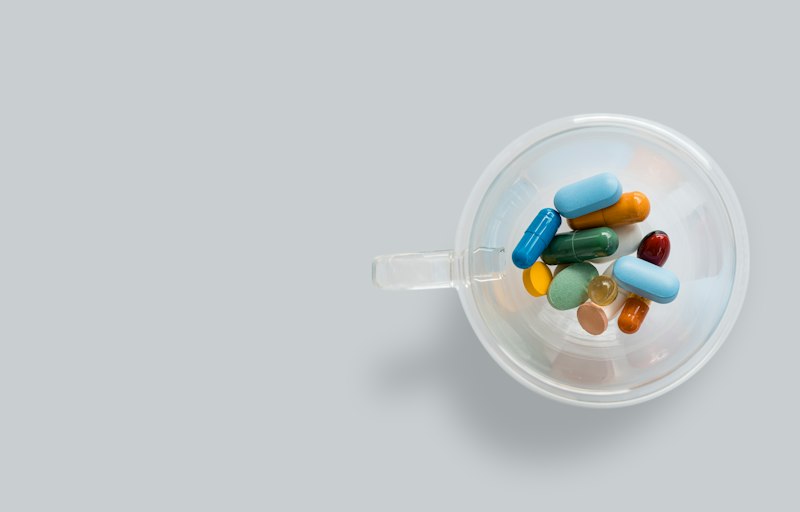
Water is your highest priority. You can survive weeks without food but only days without water. Plan for 1 gallon per person per day minimum.
- Water bottles (3 liters minimum per person)ESSENTIAL
- Water purification tablets (50+ tablets)ESSENTIAL
- Portable water filter (Sawyer Mini or LifeStraw)IMPORTANT
- Collapsible water container (1-2 gallon)IMPORTANT
- Metal water bottle (can boil water if needed)RECOMMENDED
🍎 Food & Nutrition
Pack 2,000+ calories per person per day. Choose foods that don't require cooking, water, or refrigeration.
- Energy bars (6-9 bars per person)ESSENTIAL
- Peanut butter (individual packets or small jar)ESSENTIAL
- Dried fruit and nuts (trail mix)ESSENTIAL
- Crackers or hardtackIMPORTANT
- Beef jerky or meat sticksIMPORTANT
- Electrolyte powder packetsIMPORTANT
- Hard candy or glucose tabletsRECOMMENDED
- Instant coffee/tea packetsRECOMMENDED
🩹 First Aid & Medical
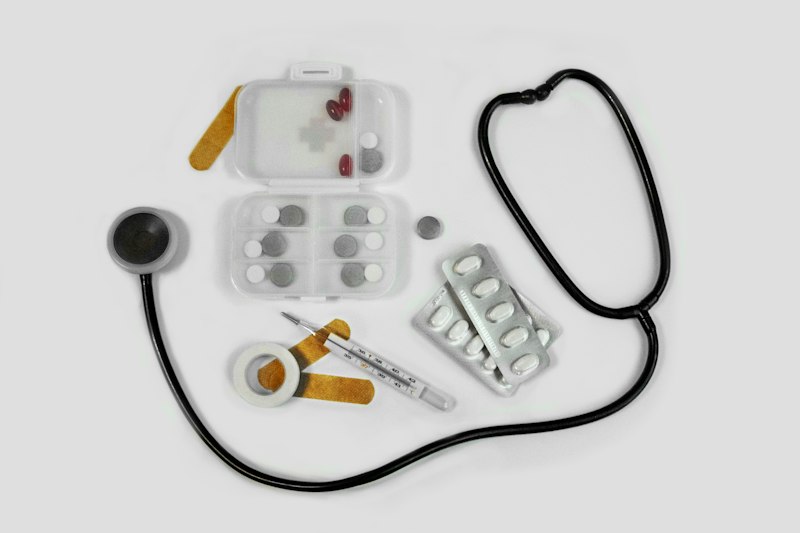
Your first aid kit should handle common injuries and your specific medical needs. Replace expired items every 6-12 months.
- Prescription medications (7-day supply)ESSENTIAL
- Adhesive bandages (assorted sizes, 25+)ESSENTIAL
- Sterile gauze pads and rollsESSENTIAL
- Medical tapeESSENTIAL
- Pain relievers (ibuprofen, acetaminophen)ESSENTIAL
- Antibiotic ointmentIMPORTANT
- Antiseptic wipesIMPORTANT
- Tweezers and small scissorsIMPORTANT
- Elastic bandage (ACE wrap)IMPORTANT
- Antihistamines (Benadryl)IMPORTANT
- Anti-diarrheal medicationIMPORTANT
- Nitrile gloves (5+ pairs)IMPORTANT
- Emergency blanket (mylar)IMPORTANT
- Tourniquet (CAT or SOFTT-W)RECOMMENDED
- Israeli bandageRECOMMENDED
- Moleskin for blistersRECOMMENDED
🏕️ Shelter & Warmth
Protection from the elements can be life-saving. Hypothermia can occur even in mild temperatures if you're wet.
- Emergency mylar blankets (2 per person)ESSENTIAL
- Rain ponchoESSENTIAL
- Change of clothes (weather-appropriate)ESSENTIAL
- Sturdy shoes/boots (already wearing or packed)ESSENTIAL
- Emergency bivy sackIMPORTANT
- Lightweight tarp (8x10 ft)IMPORTANT
- Paracord (50 ft)IMPORTANT
- Wool or fleece hatIMPORTANT
- Work glovesIMPORTANT
- Extra socks (2 pairs)IMPORTANT
- Hand warmers (6+)RECOMMENDED
🔦 Light & Tools
When the power goes out, you need reliable light sources and basic tools.
- Headlamp with extra batteriesESSENTIAL
- Backup flashlightESSENTIAL
- Multi-tool or knifeESSENTIAL
- Duct tape (small roll or flat-wrapped)IMPORTANT
- Lighter and waterproof matchesIMPORTANT
- Fire starter (cotton balls with vaseline)IMPORTANT
- Can opener (if not on multi-tool)IMPORTANT
- Glow sticks (3-4)RECOMMENDED
- Small sewing kitRECOMMENDED
📱 Communication & Navigation
Staying informed and being able to communicate can save your life during emergencies.
- Cell phone with chargerESSENTIAL
- Portable power bank (10,000+ mAh)ESSENTIAL
- Emergency weather radio (hand-crank/battery)ESSENTIAL
- Local area maps (paper)IMPORTANT
- CompassIMPORTANT
- Whistle (for signaling)IMPORTANT
- Emergency contact list (laminated)IMPORTANT
- Small notepad and pencilRECOMMENDED
- Two-way radios (if traveling with group)RECOMMENDED
📄 Important Documents
Keep copies of critical documents in a waterproof bag. These help you access resources, prove identity, and file insurance claims.
- Photo ID copies (driver's license, passport)ESSENTIAL
- Insurance cards and policy numbersESSENTIAL
- Emergency contact informationESSENTIAL
- Cash ($200-500 in small bills)ESSENTIAL
- Credit/debit cardsESSENTIAL
- Medication list with dosagesIMPORTANT
- Medical history summaryIMPORTANT
- Property deed/lease copiesRECOMMENDED
- USB drive with important filesRECOMMENDED
- Family photos (for reunification)RECOMMENDED

🧼 Hygiene & Sanitation
Maintaining basic hygiene prevents illness and maintains morale during stressful situations.
- Toilet paper (1 travel roll)ESSENTIAL
- Hand sanitizerESSENTIAL
- Toothbrush and toothpasteIMPORTANT
- Wet wipes (personal cleansing)IMPORTANT
- Feminine hygiene productsIMPORTANT
- Small towel or bandanaIMPORTANT
- Plastic bags (waste disposal, waterproofing)IMPORTANT
- SunscreenRECOMMENDED
- Insect repellentRECOMMENDED
- Lip balmRECOMMENDED
👶 Special Needs
Customize your kit for family members with specific needs.
- Infants: Formula, bottles, diapers, wipes, pacifierESSENTIAL
- Children: Comfort item, snacks they'll eat, activitiesIMPORTANT
- Elderly: Extra medications, mobility aids, hearing aid batteriesESSENTIAL
- Pets: Food, water bowl, leash, carrier, medicationsESSENTIAL
- Medical: CPAP battery, insulin cooler, extra suppliesESSENTIAL
- Glasses/contacts and backup pairIMPORTANT
A kit only helps if the family can find each other to use it. Pair it with a family emergency communication plan (phone tree, group chat and contact cards), and keep a smaller car emergency kit in every vehicle, since many emergencies start on the road.
Weight Guidelines
Your 72-hour kit should weigh no more than:
- Healthy adults: 15-20% of body weight (25-35 lbs typical)
- Older adults: 10-15% of body weight
- Children 8-12: 10% of body weight
Use our Bug-Out Bag Weight Calculator to optimize your pack.
Where to Store Your Kit
- Primary kit: Near main exit door, in a closet or garage
- Secondary kit: In your vehicle's trunk
- Work kit: Smaller version at your workplace
Check and rotate contents every 6 months. Replace expired food, water, and medications.
Build Your Personalized Kit
Use our Emergency Kit Calculator to get a customized list based on your family size, location, and specific needs.
Related Resources
Emergency Kit Calculator
Personalized kit recommendations
Bag Weight Calculator
Optimize your pack weight
First-Time Prepper Guide
Getting started basics
Best First Aid and Trauma Kits 2026
The medical kit for the bag
Car Emergency Kit Checklist
The kit that lives in the trunk
From the Creators of DisasterPrepCalc
The Complete Survival Guide for America 2026
Everything you need to protect your family, from natural disasters to grid failures. Available on Amazon.
Get the Book on Amazon →As an Amazon Associate, we earn from qualifying purchases.